Panic bar repair in Port St. Lucie typically costs between $150 and $500 in 2026. Labor usually runs $75–$150 per hour, with parts making up the rest depending on whether you need a simple adjustment or a full mechanism replacement. Salt air and humidity on the Treasure Coast accelerate wear, so the sooner you call, the lower your bill usually ends up.

Here's the short answer: panic bar repair in Port St. Lucie costs $150 to $500, and most jobs we complete fall somewhere in the middle of that range. The wide spread exists because a loose strike plate adjustment is a very different job than replacing a corroded crossbar mechanism on a commercial exit door that hasn't been serviced in three years. We've been doing this work since 2009 across St. Lucie County, and we've learned that the Treasure Coast climate is genuinely harder on door hardware than most people expect. Salt air drifts in from the St. Lucie River and the coast, humidity sits high year-round, and that combination quietly eats away at springs, latches, and push-pad internals. If you're trying to budget a repair right now, keep reading. We'll walk you through what drives the cost, how parts and labor break down, and when a repair makes more sense than a replacement. You can also jump straight to our panic bar repair service page if you'd rather just get a quote.
How Much Does Panic Bar Repair Cost in Port St. Lucie?
In 2026, most Port St. Lucie residents and business owners pay between $150 and $500 for panic bar repair. Here's how that breaks down by job type:
- Minor adjustment or realignment: $150–$200
- Latch mechanism repair or lubrication service: $175–$250
- Push-pad or touchbar replacement: $225–$350
- Full crossbar mechanism replacement: $300–$500
- Corrosion damage repair (common in coastal St. Lucie County): $250–$450
What Factors Affect Your Panic Bar Repair Bill?
Not every panic bar repair costs the same, and a few specific variables tend to move the number up or down more than anything else. 1. Severity of the damage. A door that's slightly misaligned costs far less to fix than one with a seized mechanism or a cracked crossbar. 2. Parts availability. Standard residential panic bars use common parts. Commercial-grade devices from brands like Von Duprin or Sargent sometimes require ordered parts, which adds time and cost. 3. Corrosion level. This is big on the Treasure Coast. Salt air and humidity corrode internal springs and latches faster than in inland areas. We've seen mechanisms on doors near the Port St. Lucie waterfront that looked fine on the outside but were nearly seized inside. 4. Door type and frame material. Steel frames, hollow metal doors, and aluminum storefronts all require different approaches and sometimes different hardware. 5. Florida Building Code compliance. If your door serves a required exit path under the FBC 8th Edition, the repair has to meet life-safety code standards, which may affect which parts we're allowed to use.
Salt Air Does More Damage Than You'd Think
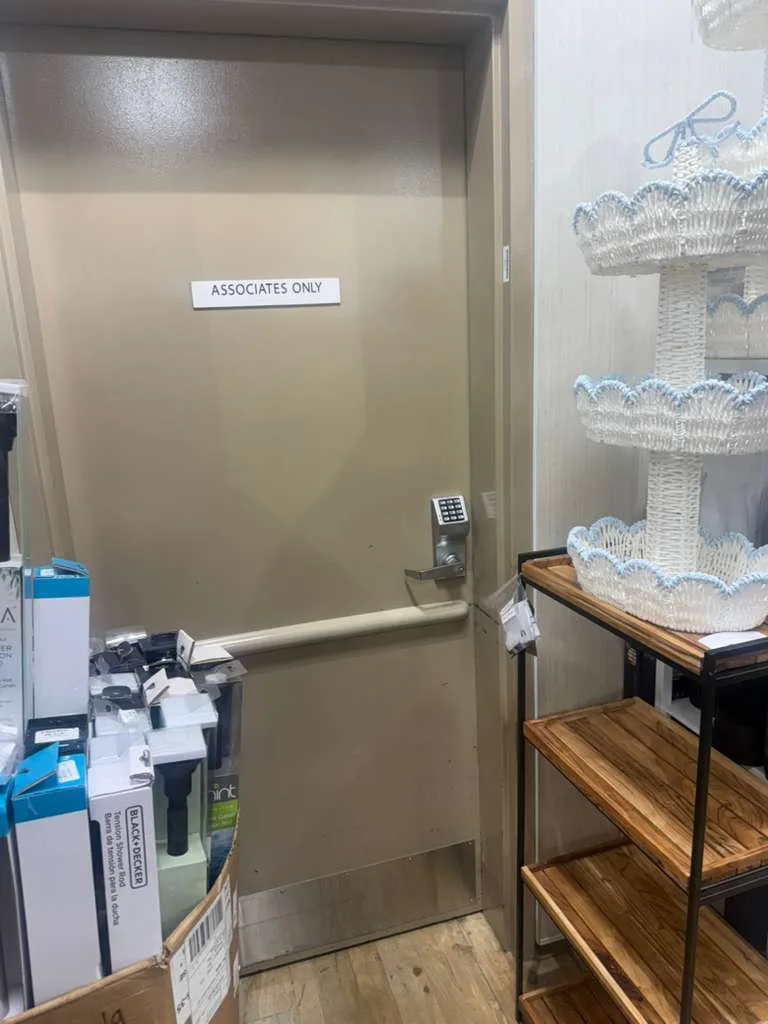
This photo shows a panic bar mechanism we pulled from a commercial door near the Port St. Lucie Riverwalk during our 2024 hurricane season prep inspections. The exterior looked passable, but the internal spring and latch assembly had corroded significantly from salt air exposure - a pattern we're documenting more frequently as Treasure Coast humidity levels peak in late summer months. This is one of the most common findings we see across the region, and it's exactly why delaying service on a sluggish panic bar almost always costs more in the long run.
Labor vs. Parts: Where Does Your Money Actually Go?
It's a fair question, and we'd rather answer it honestly than dance around it. On most panic bar repair jobs in Port St. Lucie, the split looks something like this:
- Labor (diagnosis + repair): $75–$200 depending on job complexity
- Basic replacement parts (springs, screws, strike plates): $20–$60
- Mid-range components (latch assemblies, push pads): $60–$150
- Full mechanism or commercial-grade crossbar: $120–$250 in parts alone
Don't Ignore a Slow or Sticky Panic Bar
A panic bar requiring extra force to open is more than an inconvenience - especially as we head into 2026 when updated Florida Building Code requirements for exit hardware take effect across St. Lucie County. Commercial properties must maintain life-safety compliant doors that function reliably in emergencies. A malfunctioning panic bar puts you out of compliance and creates liability if occupants can't exit quickly when needed. Salt-air corrosion along the Treasure Coast accelerates wear on mechanical components, making preventive maintenance critical. A $175 repair now beats a $500+ emergency replacement after the mechanism seizes completely. Contact us before the next hurricane season arrives.
Panic Bar Repair vs. Replacement: Which Makes More Sense?
We get this question a lot, and the honest answer depends on two things: the age of the device and the cost of the parts needed to fix it. As a general rule, if the repair cost exceeds about 60% of the replacement cost, replacement usually makes more financial sense. Here's how we typically guide people:
- Repair makes sense when the mechanism is under 10 years old, corrosion is surface-level, and parts are standard and inexpensive.
- Replacement makes sense when the bar is 15+ years old, internal components are heavily corroded, or the unit no longer meets current Florida Building Code requirements.
Proper Alignment Prevents Bigger Problems
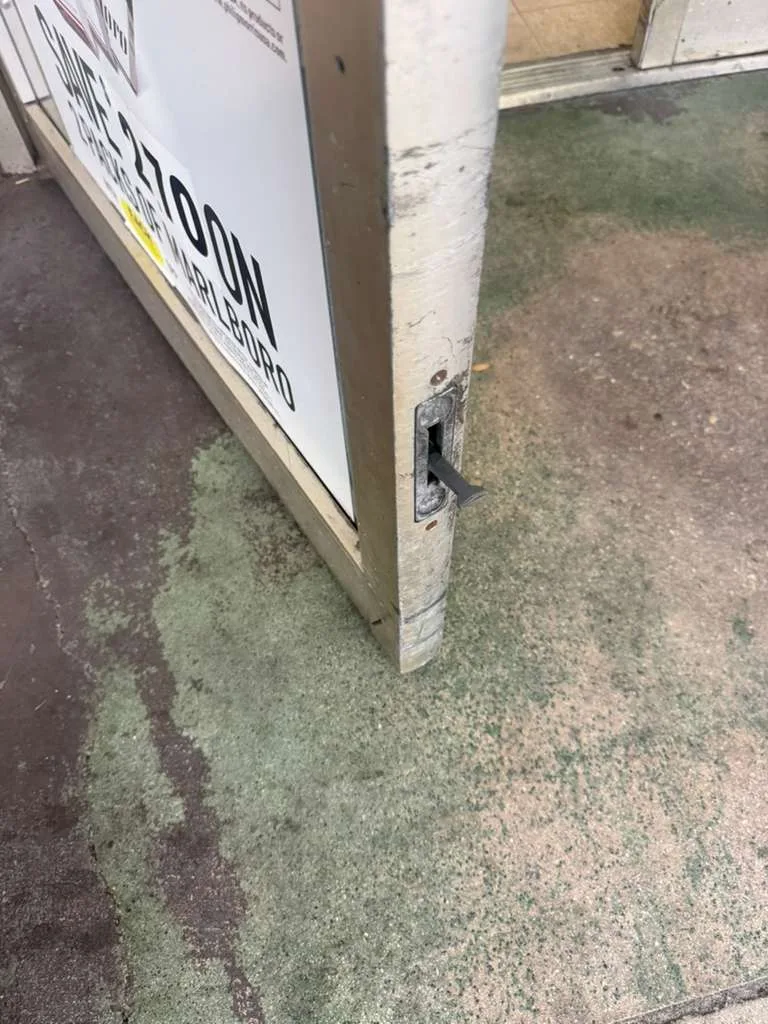
When a panic bar isn't aligned correctly with the door frame, the latch doesn't seat cleanly, which puts extra stress on the internal mechanism every time someone exits. We check alignment on every service call as part of our standard diagnostic process. Catching a small alignment issue early can prevent a $400 mechanism replacement down the road.
Florida Building Code and Panic Bar Compliance in St. Lucie County
If your property is a commercial building, a multi-family unit, or any structure with a required means of egress, your panic bar isn't just a convenience. It's a life-safety device governed by the Florida Building Code, 8th Edition, and St. Lucie County enforces those standards through local building inspections. Under FBC requirements, panic hardware on required exit doors must:
- Release with no more than 15 pounds of force
- Open the door with no special knowledge or tools
- Allow egress in a single motion
How to Keep Panic Bar Repair Costs Down Over Time
The best thing you can do for your repair budget is not wait. On the Treasure Coast, salt air and humidity do their worst work slowly and quietly. A panic bar that feels slightly stiff in January is often a full repair job by summer if it's ignored. Here are a few things that actually help:
- Annual lubrication: A dry mechanism corrodes faster. Silicone-based lubricant on moving parts once a year goes a long way.
- Keep the door frame clean: Dirt and debris around the strike plate area cause latching problems that create stress on the mechanism. Our guide on how to clean door tracks applies to exit door frames too.
- Address alignment early: A door that's sagging or not hanging square puts uneven pressure on the panic bar every single time it's used.
- Schedule a service check after any major storm: Wind events can shift door frames enough to throw off alignment, and that stress compounds over time.
Why Port St. Lucie Property Owners Call Us First
We've been serving Port St. Lucie and the broader Treasure Coast since 2009. That's over 15 years of working on doors in this specific climate, with its specific mix of salt air, heat, and seasonal storms. We know what hardware holds up here and what doesn't. We know which brands corrode faster in coastal conditions and which are worth the extra investment. Our team holds a 4.9-star rating across 47 Google reviews, and we've completed more than 3,500 door hardware repairs across St. Lucie County, Martin County, and Indian River County. We offer free estimates, honest assessments, and we'll always tell you if a repair doesn't make financial sense compared to replacement. If your panic bar is giving you trouble, whether it's stiff, noisy, failing to latch, or just not opening the way it should, don't sit on it. Visit our panic bar repair page or give us a call. We're local, we're fast, and we'll give you a straight answer on what it's going to cost.