
The best pocket door repair company in Port St. Lucie is one with verifiable local experience, transparent pricing, and a track record of completed repairs in St. Lucie County. Treasure Coast Sliding Door Repair has been serving the area since 2009, holds a 4.9-star Google rating across 47 reviews, and has completed 3,500+ roller and hardware replacements across the Treasure Coast. Pocket door repair typically runs $129 to $349 depending on the issue.

Your pocket door stopped sliding smoothly, and now you're staring at a door that either jams halfway, grinds every time it moves, or won't budge at all. You need it fixed. The real question isn't just how to fix it - it's who to trust with the job. In Port St. Lucie, that answer matters more than you might think. We've been repairing pocket doors and sliding doors across St. Lucie County since 2009. In that time, we've completed more than 3,500 roller and hardware replacements across the Treasure Coast. We've also seen what happens when homeowners hire the wrong company - stripped hardware, mismatched parts, doors that work for two weeks and then fail again. That's why we put this together. Whether you hire us or not, you deserve to know what a good pocket door repair company actually looks like. Our pocket door repair service runs between $129 and $349 depending on what's wrong and what parts are needed. We'll walk you through what to look for in any company you consider, the red flags that should send you walking, and why local experience in this specific Florida climate makes a real difference.
What Makes a Pocket Door Repair Company Worth Hiring?
Here's the short answer: experience, transparency, and parts on hand. A good company will diagnose the problem before quoting a price, not after. They'll tell you upfront whether the fix is a roller replacement, a track realignment, or something bigger like a bent frame cavity. And they'll have the parts with them when they show up. A few things worth looking for when you're comparing companies in Port St. Lucie:
- Years in business locally - not just years doing construction generally, but years working on sliding and pocket doors specifically in St. Lucie County
- Verifiable reviews - Google reviews with real names, recent dates, and specific details about the job
- Clear pricing before work starts - no vague estimates that balloon once they're inside your wall
- Familiarity with local conditions - salt air and humidity here accelerate corrosion on tracks and rollers faster than in drier climates
- Warranty on parts and labor - a company confident in their work backs it up
Red Flags to Watch Out For When Getting Quotes
We've heard a lot of stories from Port St. Lucie homeowners who called us after a bad experience with another company. Here are the red flags they wish they'd caught earlier. Vague phone quotes without seeing the door. Pocket doors vary a lot in track design, roller type, and frame cavity access. A company quoting you a flat price over the phone without asking any details is guessing. No physical business address or license info. In Florida, door and hardware repair work falls under contractor licensing requirements. If a company can't or won't show you a license number, keep looking. Pressure to approve the job on the spot. A reputable company gives you a written estimate and lets you decide. No countdown timer, no "this price is only good today." Generic handyman services with no door specialty. Pocket doors require specific knowledge of track systems, roller compatibility, and wall cavity access. A generalist who dabbles in doors twice a year is not the same as a team that does this every single day. No mention of parts sourcing. Ask where their replacement rollers and hardware come from. Quality parts from trusted manufacturers last far longer than generic replacements sourced cheap.
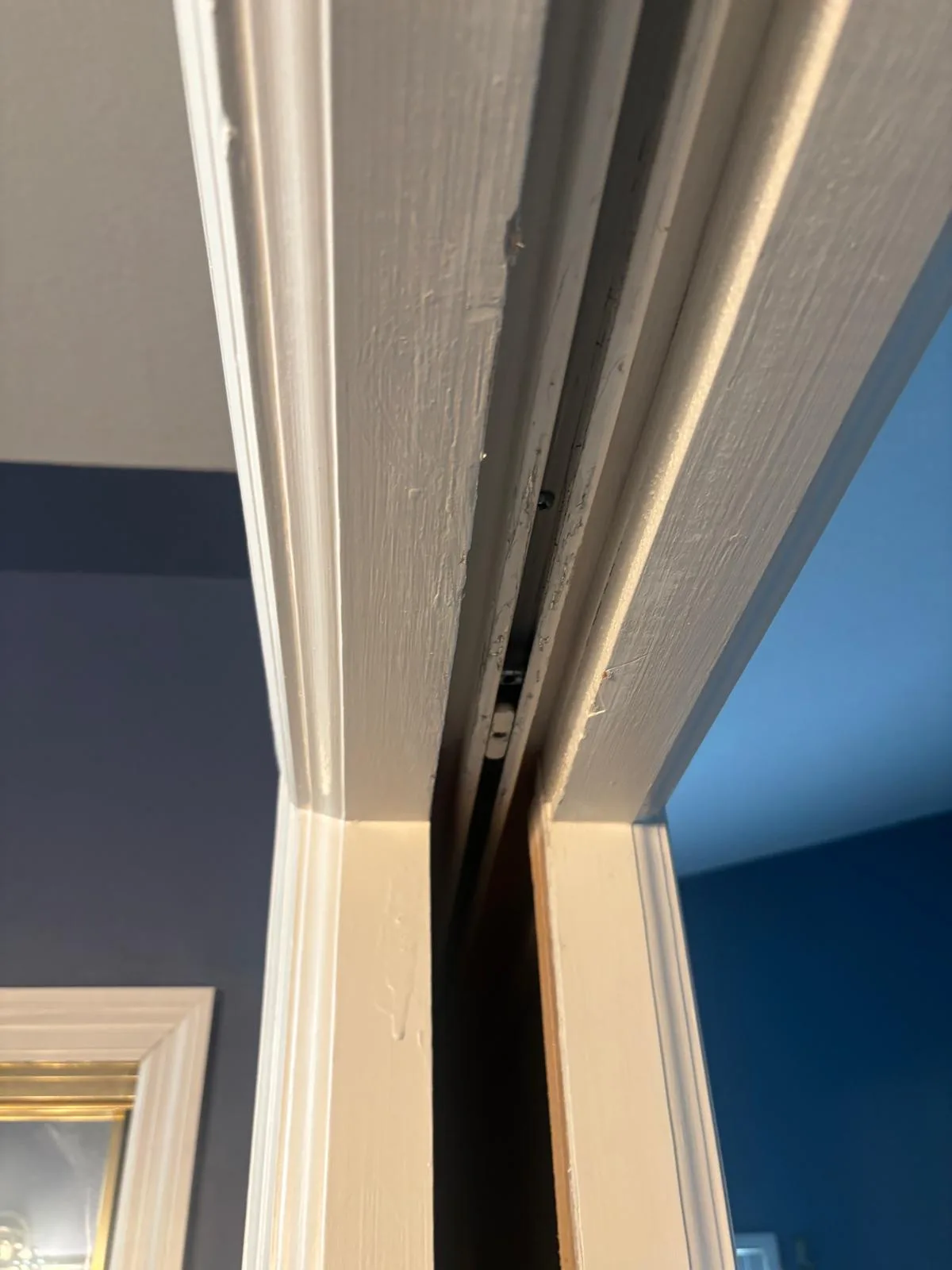
Worn Rollers Are the Most Common Culprit
About 80% of the pocket door calls we get across the Treasure Coast come down to one thing: worn or corroded rollers. Salt air and humidity in Port St. Lucie speed up that wear significantly compared to inland climates. When the rollers go, the door starts dragging, sticking, or jumping off the track entirely. Replacing them with the right parts for your specific door system makes all the difference.
Why Local Experience in Port St. Lucie Actually Matters
This isn't just a sales pitch. The Treasure Coast climate genuinely changes how doors fail and how repairs need to be done. We work in Port St. Lucie neighborhoods regularly - from homes near Tradition to communities along the South Fork of the St. Lucie River - and we see the same patterns over and over. Salt air corrodes metal track hardware. High humidity warps wood door frames. Florida's intense summer heat expands materials in ways that throw track alignment off over time. A company that mostly works in central Florida or up north doesn't have the same read on these patterns. Local experience also means we know which brands of pocket door hardware hold up in this climate and which ones don't. We've replaced rollers from systems that looked fine on paper but failed within a year in coastal conditions. That kind of knowledge doesn't come from a product sheet. It comes from doing this work here, specifically, for a long time. We've been operating in St. Lucie County since 2009. That's over 15 years of watching how doors behave in this specific environment. We serve Port St. Lucie and surrounding communities across the Treasure Coast year-round.
What Pocket Door Repair Actually Costs in 2026
Let's talk real numbers. Our pocket door repair service in Port St. Lucie runs between $129 and $349, and here's what drives the price:
- $129 - $179: Basic roller replacement on a standard residential pocket door with accessible hardware and a straightforward track system
- $180 - $249: Roller replacement plus track cleaning, realignment, or minor track repair on a door with moderate wear
- $250 - $349: More involved repairs including difficult hardware access, significant track damage, or replacing both rollers and floor guide hardware
Florida Building Code and Your Pocket Door
Florida's 8th Edition Building Code governs pocket door installations across St. Lucie County, with particular attention to clearance specs, accessible design requirements, and hardware standards for interior applications. Most of Port St. Lucie sits in a wind-rated zone, meaning exterior pocket doors must meet enhanced anchoring and hardware durability standards - especially critical as salt-air corrosion accelerates wear on coastal hardware. With hurricane season approaching, many homeowners are reinforcing these systems to handle seasonal stress. Any repair company serving the Treasure Coast should demonstrate current knowledge of FBC compliance and installation best practices. For the latest code details and wind-zone specifications affecting your property, consult the Florida Building Commission directly.
Questions to Ask Before You Book Anyone
You don't need to interrogate every company you call. But asking a few direct questions tells you a lot fast. Here's what we'd ask:
- "How long have you been specifically repairing pocket doors?" - not just sliding doors or general handyman work, but pocket doors
- "Do you carry replacement parts with you, or will there be a delay waiting for parts?"
- "Can you give me a written estimate before starting?"
- "What's your warranty on parts and labor?"
- "Are you licensed to do this work in Florida?"
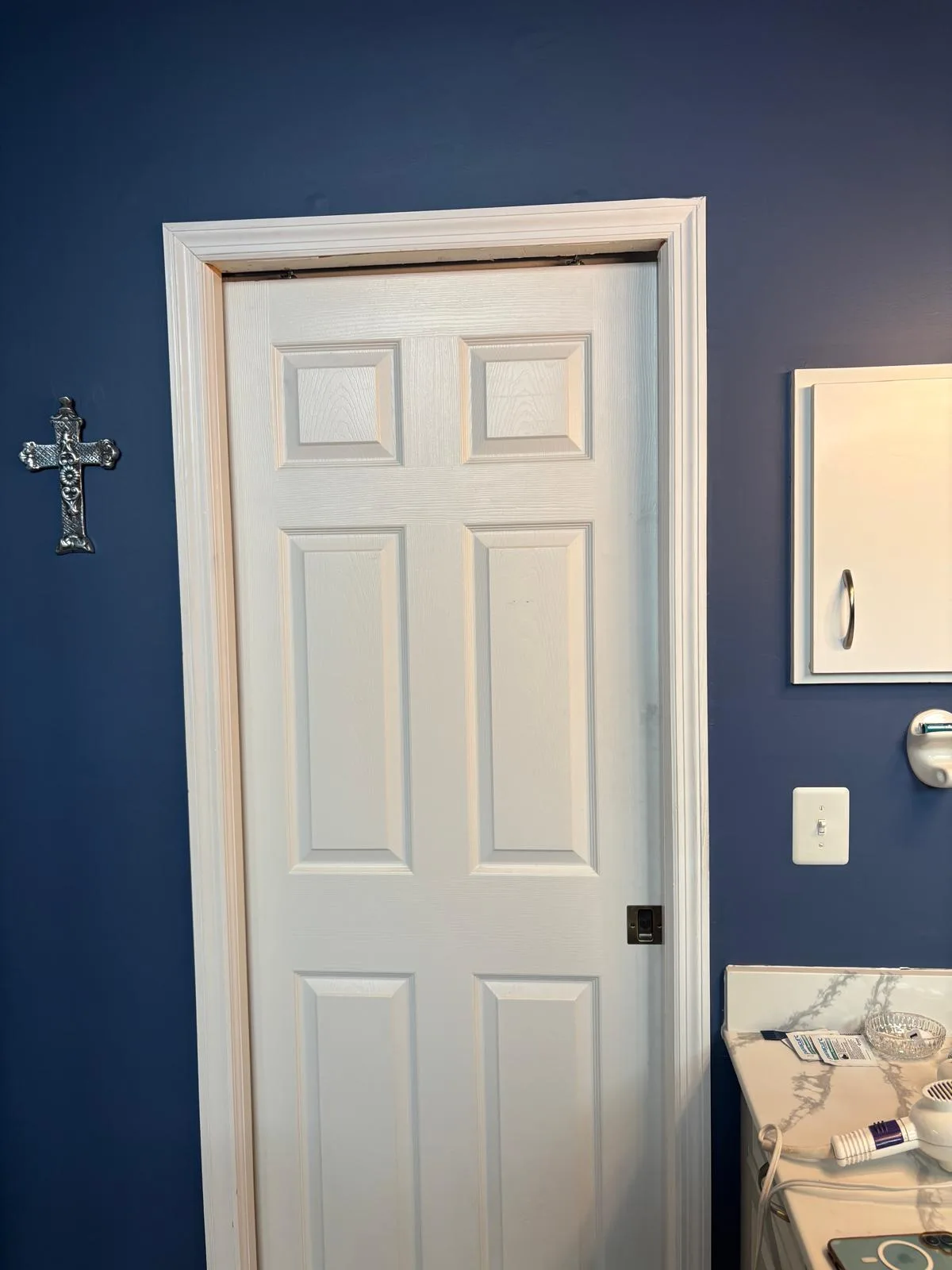
Track Alignment Affects More Than Just the Slide
A misaligned pocket door track doesn't just make the door hard to move. Over time it puts uneven stress on the rollers, accelerates wear, and can damage the door panel itself. We see this a lot in Port St. Lucie homes built in the late 1990s and early 2000s where original hardware is finally giving out. Getting the track right isn't just about smoothness - it's about preventing bigger problems down the road. Check our guide on fixing a stuck sliding door for more on what misalignment looks like.
How to Maintain Your Pocket Door So This Doesn't Happen Again
Once your door is repaired, a little maintenance goes a long way - especially here on the Treasure Coast where salt air and humidity work against you year-round. We tell every customer the same three things. First, clean the track twice a year. Dirt and debris in the track grinds against the rollers and accelerates wear faster than almost anything else. A dry brush or vacuum does most of the work. Second, apply a silicone-based lubricant to the track and rollers once a year. Don't use WD-40 - it attracts dirt and leaves a residue that gums things up over time. Silicone spray is cleaner and lasts longer in this climate. Third, listen for changes. A door that starts sounding different - grinding, clicking, or dragging slightly - is telling you something early. Catching it early usually means a simpler, cheaper fix. For a full maintenance routine, our post on sliding door maintenance covers everything in more detail. Small habits now prevent the $300 repair calls later.