
Some pocket door repairs, like lubricating the track or adjusting a door guide, are safe to DIY. But roller replacements, hardware inside the wall, and alignment fixes in older Stuart homes almost always need a pro. Professional pocket door repair runs $129 to $349, and getting it wrong yourself can mean pulling drywall. Call us first.

Here's the honest answer most people don't get: yes, you can do some pocket door repairs yourself, but a surprising number of them will cost you more if you try. We're not saying that to scare you into calling us. We're saying it because we've been repairing pocket doors across Stuart and Martin County since 2009, and we've seen firsthand what a botched DIY attempt looks like when someone finally calls for help. The Treasure Coast climate is genuinely tough on pocket doors. Salt air off the St. Lucie River, humidity that sits high most of the year, and the seasonal temperature swings we get here all wear down rollers, warp door panels, and corrode the hardware tucked inside your walls faster than most homeowners expect. About 85% of stuck pocket doors we see in Stuart come down to two things: worn rollers or a track that's shifted or corroded. So let's break it down the right way. We'll tell you exactly what you can safely handle, what you shouldn't touch, what tools you'll need, and what professional pocket door repair actually costs in 2026.
What's Actually Safe to DIY on a Pocket Door
Not everything requires a professional. There are a few pocket door fixes that most Stuart homeowners can handle on a Saturday morning without much risk. The key is knowing your limits before you start pulling hardware. Safe DIY repairs include:
- Cleaning and lubricating the exposed track with a silicone-based spray (not WD-40, which attracts dirt)
- Replacing the door pull or flush ring hardware, since those are surface-mounted and straightforward
- Adjusting the bottom door guide if it's just knocked loose, not broken inside the floor
- Tightening loose screws on the door edge or face
- Cleaning corroded rollers with a dry brush before deciding if replacement is needed
What You Should Leave to a Professional
This is where most DIY attempts go sideways. Pocket doors are deceptively complicated because the most important hardware, the rollers, the track brackets, and the hanger assembly, lives inside the wall. You can't see it, and you often can't access it without removing the door from the track or cutting into drywall. Repairs that need a professional:
- Roller replacement when rollers are seized or broken inside the cavity
- Track realignment after settling, which is common in older Stuart homes near the waterfront
- Frame repair or replacement when the pocket frame has warped from humidity
- Door panel replacement or refinishing when the door itself has swollen or cracked
- Hardware replacement on the hanger bar or top track brackets
- Any repair involving drywall removal and reinstallation
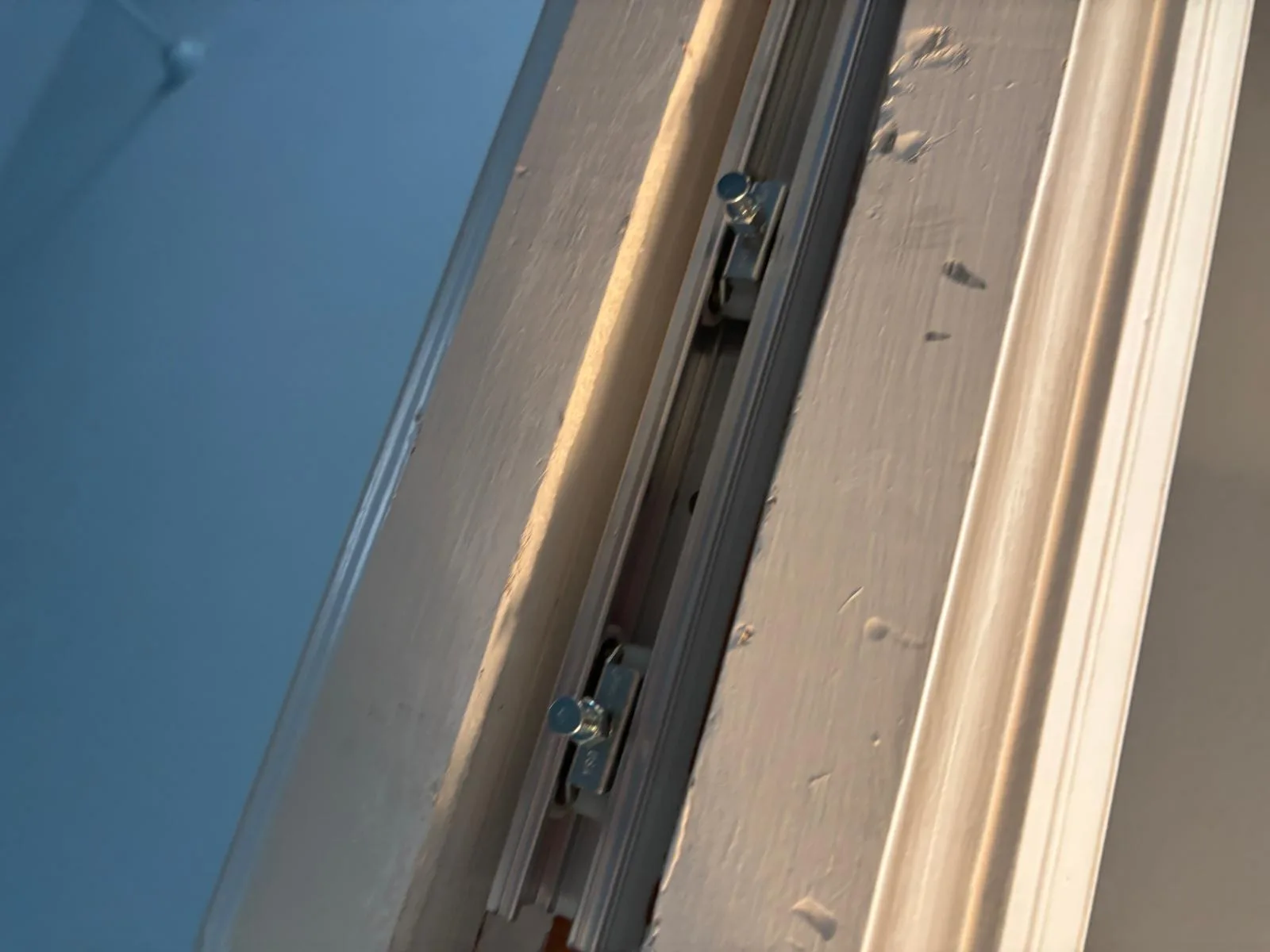
Salt Air Eats Hardware Faster Than You Think
This is a roller we pulled from a home near the St. Lucie River in 2026. The homeowner had been lubricating it for two years, thinking that was enough. The corrosion had already compromised the wheel bearing, which is why the door kept jumping the track. In coastal Martin County, roller replacement every 8 to 12 years is realistic, not a worst-case scenario.
Tools You'll Need for DIY Pocket Door Fixes
If you've decided to try the safe DIY repairs first, here's what you'll actually need. Don't go buying a full toolkit before you know what the job calls for. Basic DIY tool list for pocket door maintenance:
- Silicone spray lubricant (not petroleum-based)
- Flat-head and Phillips screwdrivers
- Allen wrench set (metric and standard, since hardware varies)
- Flashlight or phone torch to see inside the track cavity
- Soft cloth or dry brush for cleaning the track
- Needle-nose pliers for removing door guides
Warning: Don't Skip This Step Before You Start
Before touching any pocket door hardware, slide the door fully open to expose the edge and look for the roller adjustment screws - especially important for Stuart area homes preparing for 2026 hurricane season when salt-air corrosion affects metal components faster. Many homeowners damage the rollers permanently by trying to force a sticking door without first attempting a simple height adjustment. The adjustment screws are usually on the bottom edge of the door, just inside the pocket opening. Turning them clockwise raises the door slightly, which can relieve binding against the track. Try this first. It takes two minutes and it's free.
The Real Cost of Getting It Wrong
Here's where DIY pocket door repair can get expensive fast. We get calls every month from Stuart homeowners who started a pocket door fix themselves and ended up in deeper than expected. Common DIY mistakes we see and what they cost to fix:
- Forcing a misaligned door and bending the track: adds $80 to $150 to the repair cost
- Using the wrong lubricant, which gums up rollers and requires full cleaning or replacement: adds $50 to $100
- Removing screws from the wrong location and letting the hanger drop into the wall cavity: can add 2 to 3 hours of labor
- Cracking drywall while trying to access the pocket frame: drywall repair runs $150 to $300 separately
DIY vs Pro: Side-by-Side Comparison
We put this together because people ask us to be straight with them, so here it is.
- Track lubrication: DIY cost: $8 to $12 for silicone spray. Pro cost: included in most service visits. DIY risk: Low. Recommended: DIY first.
- Door pull replacement: DIY cost: $15 to $40 for hardware. Pro cost: $50 to $80 with labor. DIY risk: Low. Recommended: DIY.
- Roller replacement: DIY cost: $25 to $60 for parts, plus 2 to 4 hours of your time. Pro cost: $129 to $229. DIY risk: High, wrong parts or dropped hardware into wall. Recommended: Pro.
- Track realignment: DIY cost: Unpredictable. Pro cost: $149 to $249. DIY risk: Very high, can crack drywall or damage frame. Recommended: Pro.
- Full hardware replacement: DIY cost: $80 to $150 in parts, high failure risk. Pro cost: $199 to $349. DIY risk: Very high. Recommended: Pro.
Why Stuart Homes Have Unique Pocket Door Challenges
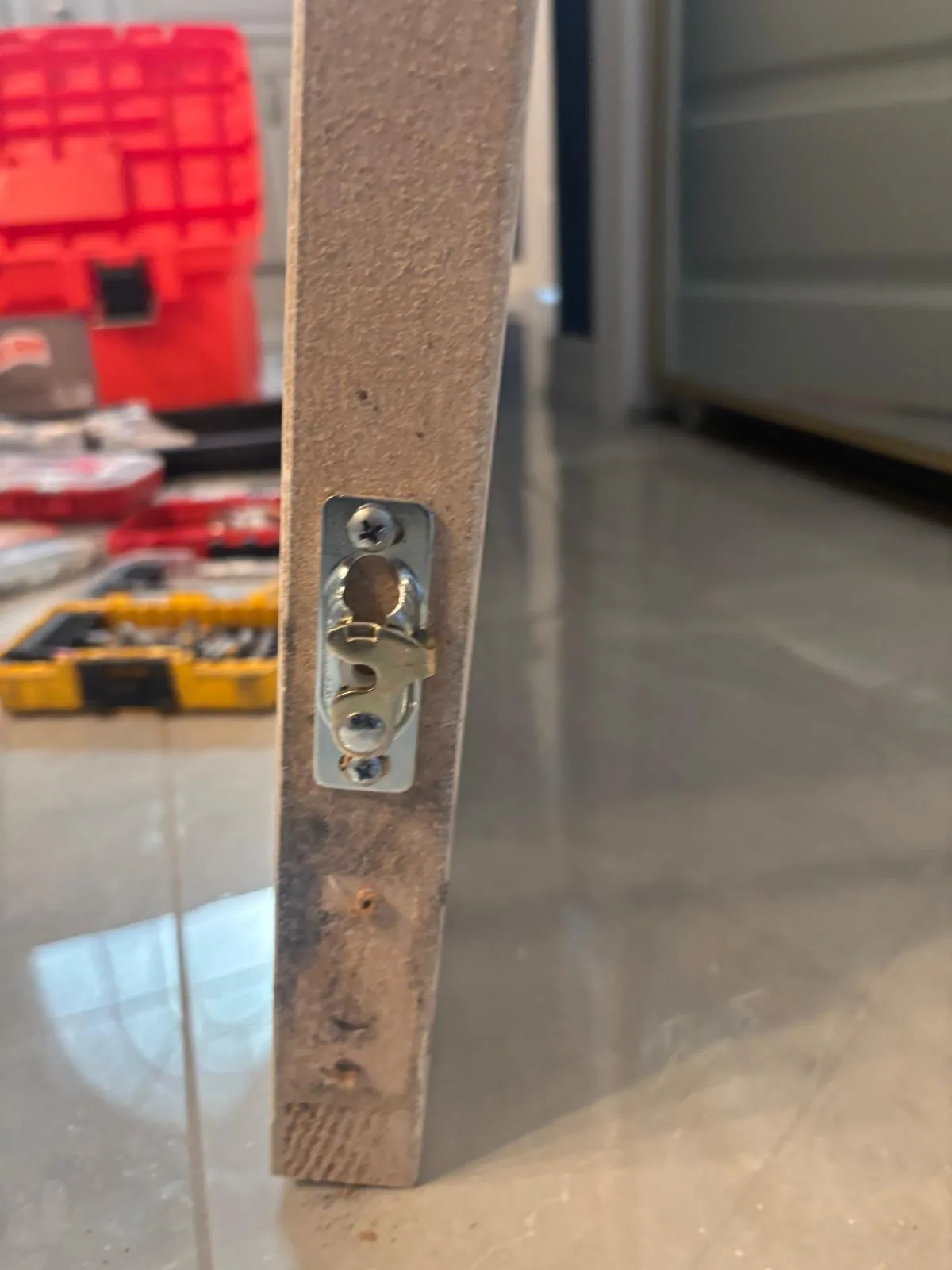
Homes in Stuart, especially those built between the 1970s and 1990s in neighborhoods like Rio and Rocky Point, often have pocket door frames that were installed before today's humidity-resistant materials were standard. Our team has found warped Douglas fir pocket frames in homes less than 30 years old because of Florida's moisture levels. That's a structural fix, not a hardware fix, and it's one of the reasons we've built our process specifically around what the Treasure Coast climate demands.
Florida Building Code and Pocket Doors: What Stuart Homeowners Need to Know
Most homeowners don't think about building codes when they're fixing a pocket door. But in Martin County, there are situations where code matters. Under the Florida Building Code 8th Edition, any structural modification to a load-bearing wall that contains a pocket door requires a permit. That includes enlarging the pocket opening or reframing the cavity. If you're simply replacing rollers or adjusting the track, you're in maintenance territory and no permit is needed. But if a previous DIY attempt left you with a damaged frame and you're considering reframing, that crosses into permitted work in Martin County. We're familiar with the local requirements here. We work in Stuart, Jensen Beach, Palm City, and throughout the county regularly. If you're unsure whether your repair crosses that line, it's worth a quick call before you start. We can usually tell you in five minutes whether the scope of your job needs a permit or not. For more on what can go wrong before you reach that point, read our guide on how to fix a stuck sliding door.