
Homeowner's insurance sometimes covers screen door repair in Stuart, FL, but only when damage is caused by a covered peril like a storm or break-in. Most routine wear and tear repairs, which run $79–$299, won't qualify. Document everything before you call your insurer, and check whether your repair comes with a workmanship warranty.
Here's the short answer: homeowner's insurance can cover screen door repair in Stuart, FL, but it depends entirely on how the damage happened. If a storm rolled in off the St. Lucie River and took your screen door with it, you've likely got a valid claim. If the screen is just torn from years of salt air and humidity doing their thing, that's maintenance. That won't be covered. We've been repairing screen and sliding doors across Martin County since 2009, and this is one of the questions we hear most often. So let's walk through it the right way, so you're not left guessing when it matters most. Our screen door repair services in Stuart run from $79 to $299 depending on what's needed, and knowing whether insurance applies before you schedule anything can save you a real headache.
Is Screen Door Repair Covered by Homeowner's Insurance?
The answer depends on the cause of damage. Standard homeowner's insurance policies in Florida cover damage from what insurers call "covered perils." Those typically include windstorms, hurricanes, hail, fire, vandalism, and theft. If your screen door was damaged during one of those events, there's a solid chance your policy will pay out, minus your deductible. What insurance won't cover is wear and tear, rust from salt air, screen mesh that's just aged out, or rollers that have slowly worn down over time. We've seen this mix-up cause real frustration for Stuart homeowners who filed a claim only to get denied. Florida's humid, coastal environment is tough on doors. The salt air alone near Sailfish Point or the barrier islands can accelerate corrosion significantly. That's normal deterioration, and insurers treat it that way. The simple rule: sudden damage from an event gets covered. Gradual wear doesn't.
What Types of Screen Door Damage Are Typically Covered?
If you're trying to figure out whether to call your insurance company before calling us, start by identifying how the damage happened. Here's a breakdown of what's usually covered versus what isn't:
- Covered: Storm or hurricane wind damage to the screen frame or mesh
- Covered: Impact damage from debris during a named storm or severe weather event
- Covered: Vandalism or forced entry that damages the door or screen
- Covered: Sudden accidental damage (like a large branch falling on the door)
- Not covered: Torn screen mesh from pets, kids, or everyday use
- Not covered: Rust or corrosion from salt air and humidity over time
- Not covered: Worn rollers, bent tracks, or broken handles from normal use
- Not covered: Pre-existing damage that wasn't reported promptly
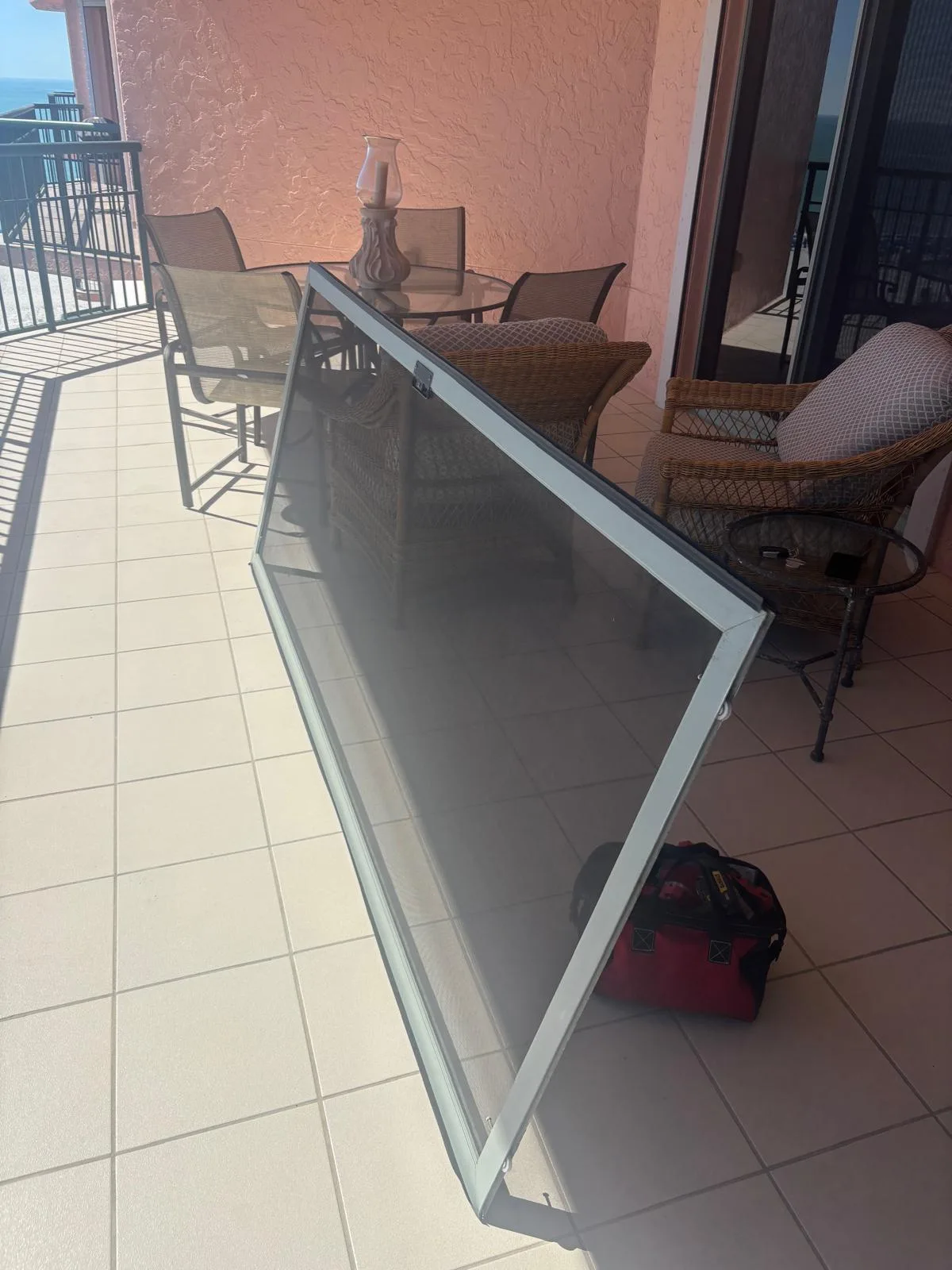
Document Before You Do Anything Else
If your screen door took a hit during a storm, your first move should be photos, not repairs. Insurance adjusters need a clear record of what the damage looked like before any work was done. Take wide shots of the full door, close-ups of the specific damage, and anything nearby that shows the storm's impact. That documentation is what turns a possible claim into an approved one.
Documentation You'll Need Before Filing a Claim
Filing a claim without proper documentation is one of the fastest ways to get denied. We've watched Stuart homeowners lose valid claims simply because they couldn't prove the timeline of events. Here's what you'll want to gather before you pick up the phone with your insurer:
- Date-stamped photos of all visible damage
- A written description of what happened and when it occurred
- Weather reports or storm records for the date of the event (the National Weather Service Melbourne office archives storm data for Martin County)
- A repair estimate from a licensed contractor, which we can provide
- Your current homeowner's policy documents, specifically the declarations page
- Any police report if the damage involved vandalism or break-in
Don't Repair Before You Document
If you think you might file an insurance claim, hold off on repairs until you've taken thorough photos and your adjuster has signed off. Fixing damage before documentation can void your claim entirely. Call us first and we'll help you figure out the right order of steps, including providing a written estimate your insurer can use.
Screen Door Repair Costs in Stuart: What to Expect
Whether insurance covers your repair or you're paying out of pocket, it helps to know what screen door repair actually costs in Stuart. We've completed over 3,500 door repairs and replacements across the Treasure Coast since 2009, and our pricing reflects real local conditions, not a national estimate that ignores Florida's climate demands.
- Screen mesh replacement: $79–$149 for standard panels
- Screen frame repair or adjustment: $99–$179
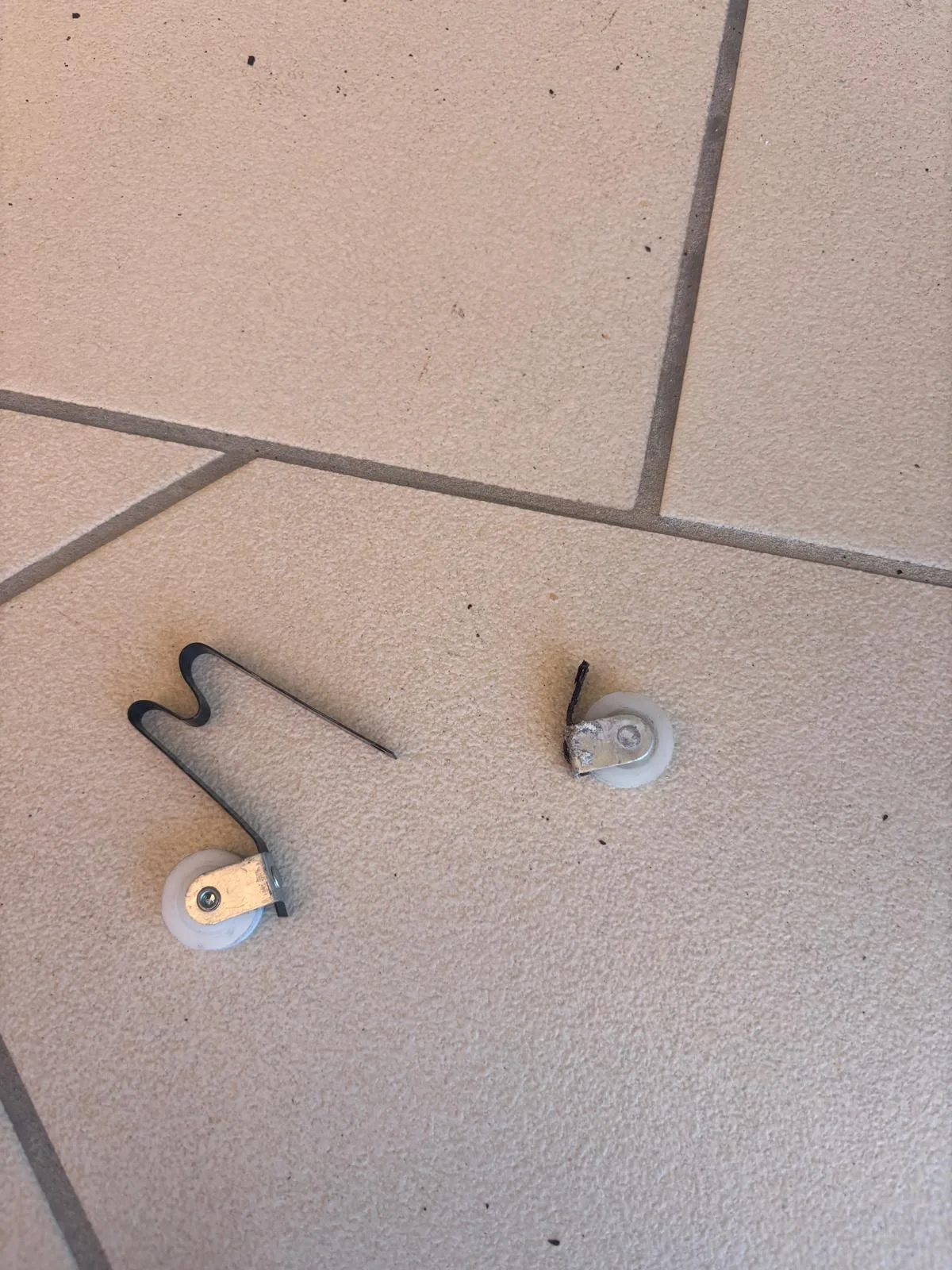
- Roller and track replacement: $129–$249
- Full screen door repair (frame, mesh, hardware): $199–$299
What a Workmanship Warranty Actually Covers
Not all warranties are the same. When we complete a screen door repair in Stuart, our workmanship warranty covers the quality of the installation itself. If a screen we installed comes loose or a roller we replaced fails under normal use, we come back and fix it. What it won't cover is new storm damage after the fact or a screen that's been torn by a pet. Know the difference before you assume your warranty handles everything.
Warranty Coverage: What Repair Companies Should Be Offering You
When you hire someone to repair your screen door in Stuart, you should walk away with two types of protection: a manufacturer warranty on any parts used, and a workmanship warranty from the repair company itself. We hold a 4.9-star rating across 47 Google reviews, and a lot of that comes down to standing behind the work after the fact. Here's how to think about warranty coverage:
- Parts/manufacturer warranty: Covers defective materials, typically 1–5 years depending on the product
- Workmanship warranty: Covers the quality of installation, usually 90 days to 1 year
- What voids a warranty: Improper use, storm damage after installation, or modifications by another party
When Does It Actually Make Sense to File a Claim?
Filing a homeowner's insurance claim for screen door repair in Stuart isn't always the right move, even when the damage qualifies. Here's a quick way to think through it. If your repair estimate is $299 and your deductible is $1,000, you're better off paying out of pocket. Claims can also affect your premium, sometimes for years. That said, if a storm caused significant damage to your screen enclosure, entry screen door, and surrounding structure at the same time, filing makes a lot more sense because you're lumping multiple repairs into one claim. The situations where filing typically makes sense include:
- Damage cost clearly exceeds your deductible
- Damage affects multiple systems (door, frame, enclosure, roofline)
- The event is documented and tied to a named storm or weather event
- You haven't filed a claim recently that could trigger a rate increase
Maintenance Tips That Help Avoid the Insurance Question Entirely
The best way to handle the insurance question is to not need it. Regular maintenance keeps your screen door in shape and helps you avoid the kind of sudden failures that happen when small problems go ignored. On the Treasure Coast, salt air and humidity are constant. Frames oxidize, tracks collect debris, and mesh gets brittle faster than it would inland. We recommend a quick inspection twice a year, more if you're close to the water. For more on keeping your doors in good shape year-round, check out our guide on sliding door maintenance. And if your door is already giving you trouble, our posts on common sliding door problems and how to fix a stuck sliding door are good starting points. Staying ahead of maintenance means lower repair costs and no insurance paperwork.