
Screen door repair is sometimes covered by homeowner's insurance, but only when damage results from a covered peril like a storm or break-in. Most routine wear from salt air or humidity won't qualify. Repairs in Vero Beach run $79–$299 depending on the damage. Document everything before you call your insurer, and ask your repair company about their warranty before work begins.
Here's the short answer to the question we get more than any other: yes, screen door repair can be covered by homeowner's insurance, but it depends on what caused the damage. If a named storm rolled through Indian River County and left your screen door frame bent or your mesh shredded, you've got a solid case for a claim. If the mesh just wore out from years of Vero Beach salt air and Florida humidity, that's typically considered normal wear and tear, and your insurer won't touch it. We've been repairing screen and sliding doors on the Treasure Coast since 2009, and we've helped plenty of homeowners figure out exactly where the line is. Our screen door repair services range from $79 to $299, and knowing whether insurance might offset that cost is worth a few minutes of your time. Let's walk through it.
Is Screen Door Repair Covered by Homeowner's Insurance?
Homeowner's insurance covers screen door damage when the cause is a "covered peril," which is insurance-speak for events listed in your policy. In Florida, those typically include windstorms, hurricanes, hail, fire, vandalism, and theft. If a storm snapped your door frame or someone forced your screen door during a break-in, you're in good shape to file a claim. What insurance won't cover is damage from age, humidity, corrosion from salt air, or just regular use over time. That matters a lot here in Vero Beach, where the coastal environment chews through screen mesh and aluminum frames faster than it would inland. We've seen frames that looked storm-damaged but were actually just corroded from salt exposure over five or six seasons. That distinction matters when you're talking to your adjuster. Florida's building code, the FBC 8th Edition, also sets standards for screen enclosures in wind zones, which can affect how your claim is evaluated.
What Insurance Actually Covers: A Breakdown
Not all screen door damage is equal in the eyes of an insurance adjuster. Here's a straightforward look at what typically is and isn't covered under a standard Florida homeowner's policy:
- Storm damage (wind, hail, hurricane): Usually covered. Indian River County sits in a High-Velocity Hurricane Zone, so storm-related claims are common.
- Vandalism or forced entry: Covered under most policies as long as you file a police report.
- Falling objects (tree limbs, debris): Generally covered if the object came from outside your property.
- Salt air corrosion: Not covered. This is wear and tear, full stop.
- Worn mesh or broken rollers from use: Not covered.
- Improper installation by a previous owner: Not covered.
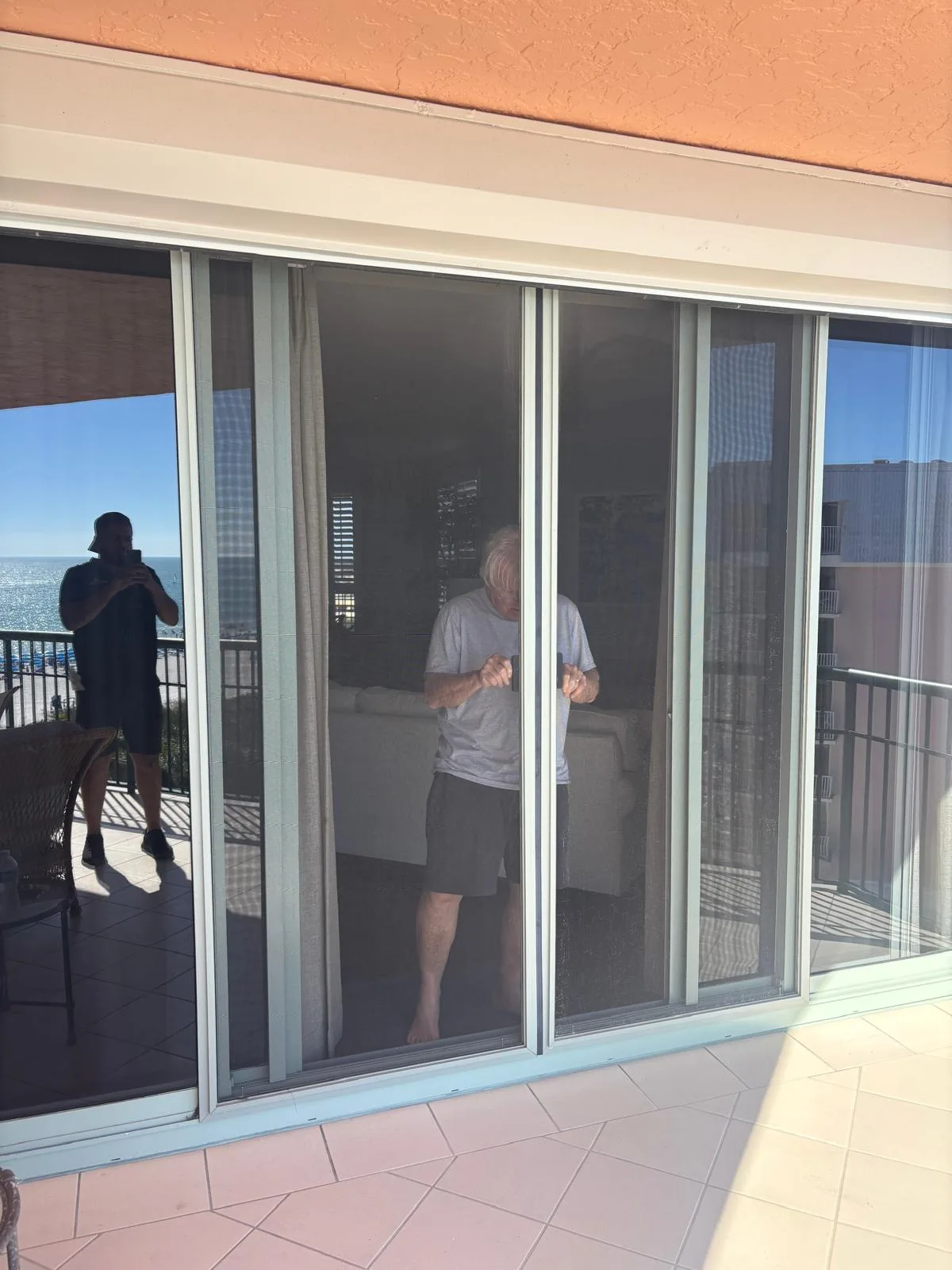
Storm Damage Is the Most Common Insurable Cause
When a storm comes through the barrier island areas near Vero Beach, screen doors take a beating from flying debris and high wind pressure. We've seen frames bent at 30-degree angles and mesh completely stripped from the frame within minutes of a storm passing. That kind of damage, with the right documentation, is exactly what homeowner's insurance is designed to cover.
Documentation You'll Need Before Filing a Claim
If you think your screen door damage might be covered, don't touch anything until you've documented it thoroughly. Insurance adjusters rely heavily on photo and written evidence, and gaps in your documentation can cost you a denied claim. Here's what we recommend gathering before you call your insurer:
- Photos and video: Take wide shots of the full door and close-ups of the specific damage. Shoot before any cleanup or temporary repairs.
- Date and cause of damage: Write down exactly when you noticed the damage and what caused it. If it was a storm, note the date and check weather records for your area of Indian River County.
- Police report (if applicable): Required for vandalism or break-in claims.
- Repair estimate in writing: Your insurer will want a written quote. We provide itemized estimates for all our jobs.
- Receipts for any emergency protective measures: If you had to board up or temporarily secure the door, keep those receipts.
When to File a Claim vs. Pay Out of Pocket
This is where most Vero Beach homeowners get stuck, and honestly, it's not always obvious. Filing a claim can raise your premiums, so it's worth doing the math first. Here's a simple way to think about it:
- If your repair cost is less than or close to your deductible, pay out of pocket.
- If the damage is part of a larger storm claim (roof, windows, fencing), add the screen door to the existing claim rather than filing separately.
- If you've already filed multiple claims in the past three years, talk to your agent before adding another. Florida insurers have been tightening their underwriting, and another claim might affect your renewability.
- If the damage is clearly storm-related and repair costs exceed $300, filing often makes sense.
Quick Tip: Get Your Estimate Before You Call Your Insurer
Adjusters move faster when you already have a written repair estimate in hand. It shows you've done your homework and gives them a number to work with right away. We provide written, itemized estimates for all screen door repairs in Vero Beach at no charge. Call us before you file, and we'll make sure you've got what you need.
Warranty Coverage on Screen Door Repairs: What to Expect
Warranty coverage on screen door repairs varies a lot depending on who does the work. Here's what you should ask any repair company before you sign off:
- Labor warranty: How long does the company stand behind their workmanship? We warranty our labor so that if something we installed or adjusted fails within the warranty period, we come back at no cost.
- Parts warranty: Quality screen mesh and hardware typically carry manufacturer warranties. Ask what brand of mesh and rollers the company uses, and whether those parts are backed by the manufacturer.
- What voids the warranty: Modifications by another contractor, storm damage after repair, and improper cleaning products can all void a warranty. Make sure you know the terms upfront.
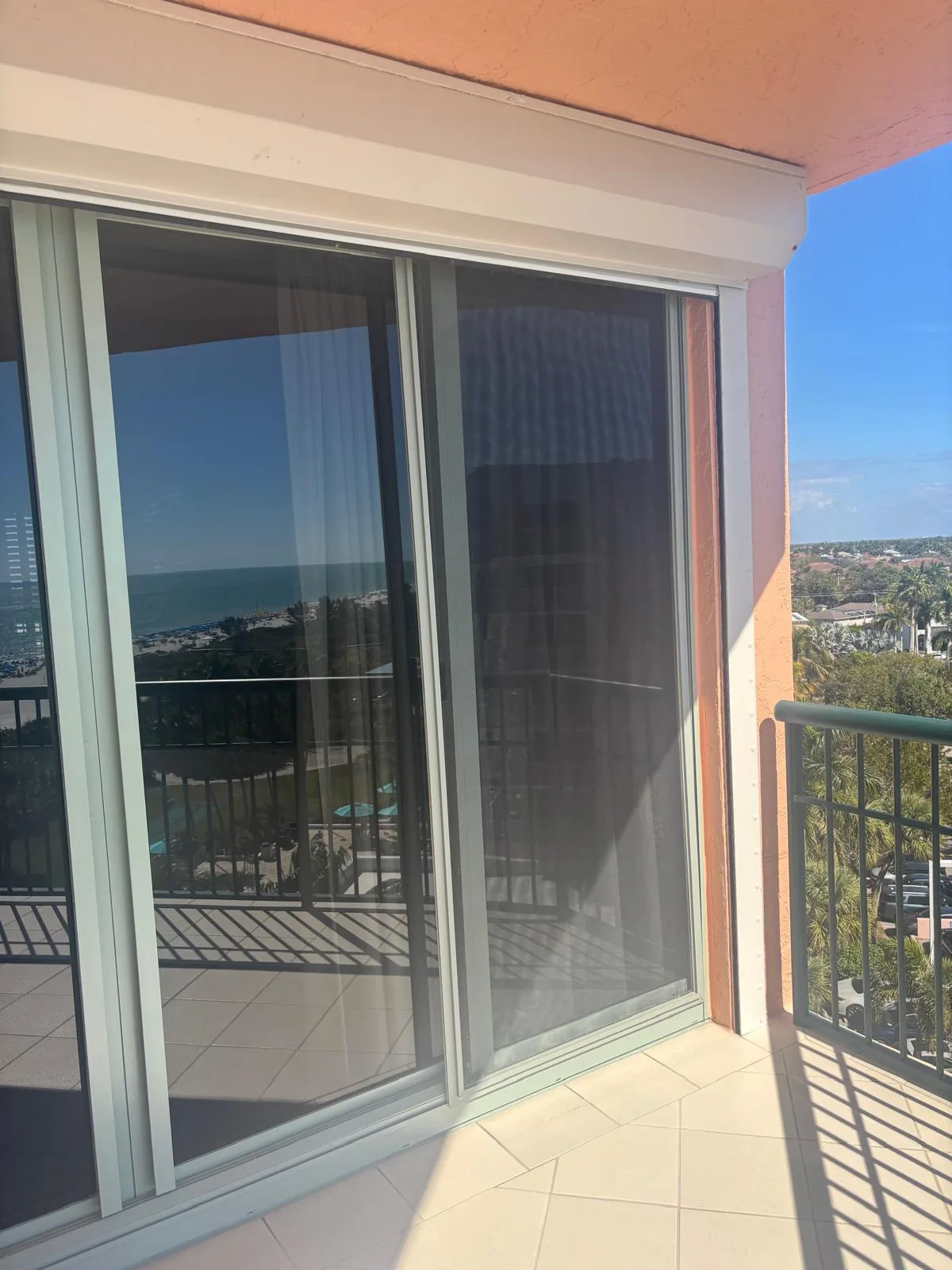
Coastal-Grade Materials Make Warranties Mean More
Standard screen mesh and aluminum hardware corrode faster than you'd expect this close to the Atlantic. We've seen mesh that was replaced with generic materials fail within 18 months in oceanside homes near the South Beach area of Vero Beach. Using marine-grade or coastal-rated components means the warranty actually holds up under real Treasure Coast conditions.
Florida Building Code and Your Insurance Claim
Here's something a lot of homeowners don't think about until their claim gets complicated. Florida Building Code 8th Edition sets requirements for screen enclosures, particularly in wind-load zones like those covering Indian River County. If your screen door was installed in a way that doesn't meet current code, your insurer might argue that the installation contributed to the damage and reduce or deny your payout. When we do a repair or replacement in Vero Beach, we work to current FBC standards. That matters for your insurance claim because it removes one potential argument your adjuster could use against you. It also matters if you ever sell your home, since code-compliant repairs are part of what a home inspection looks for. If you're not sure whether your current screen door setup meets code, we can take a look and give you a straight answer. For more context on what can go wrong with door systems, our post on common sliding door problems covers a lot of ground.
Vero Beach Screen Door Repair Costs and What Affects Pricing
Our Vero Beach screen door repair pricing runs $79–$299, and several factors move the needle within that range:
- Mesh replacement only: $79–$120 for standard screen sizes
- Frame repair or realignment: $99–$179 depending on extent of damage
- Full frame and mesh replacement: $150–$299
- Hardware replacement (handles, latches, rollers): $89–$149
- Coastal-grade or pet-resistant mesh upgrade: Adds $20–$50 to base mesh cost