
For most Fort Pierce homeowners, DIY automatic sliding door repair is possible only for basic cleaning and alignment adjustments - anything involving sensors, motors, or electronic components requires a professional. The Fort Pierce Inlet area's humid, salt-tinged environment accelerates corrosion and electronic failures, making professional diagnosis critical. Attempting complex repairs risks injury and voiding manufacturer warranties.
Automatic sliding door repair in Fort Pierce typically costs between $200 - $600, depending on the component and labor complexity. This guide covers when DIY makes sense, what mistakes drain your wallet, and why professionals in neighborhoods like Downtown Fort Pierce and Lawnwood (zip codes 34945, 34946, 34950) are worth the investment for safety and code compliance.
Can You DIY Automatic Sliding Door Repair in Fort Pierce?
You can DIY only 20-30% of automatic sliding door issues - primarily cleaning, manual track realignment, and battery replacement in remote controls. Complex repairs involving electronic sensors, motor replacement, or actuator calibration demand licensed technicians, especially in South Beach and Indian River Estates where salt spray accelerates failure.
Fort Pierce's humidity and proximity to coastal elements mean even "simple" jobs can expose hidden corrosion or electrical damage. Most homeowners discover mid-repair that the underlying issue is electrical or mechanical, forcing them to call a professional anyway - often at premium rates for emergency callbacks.
The risk-to-reward ratio shifts quickly. What seems like a $50 cleaning job becomes a $400+ professional fix when you accidentally damage the door frame, misalign sensors, or trigger safety mechanisms incorrectly.
- Track cleaning and debris removal (DIY-friendly)
- Manual door realignment using adjustment bolts
- Weather stripping replacement and seal maintenance
- Remote control battery swaps and reprogramming
- Sensor lens cleaning (without electrical disconnection)
Tools and Skills Required for DIY
Basic DIY automatic door work requires 5-8 common hand tools and zero electrical certification, but technical work demands specialized equipment and licensed expertise. For cleaning and alignment, you'll need a Phillips and flathead screwdriver, adjustable wrench, soft brush, isopropyl alcohol, silicone lubricant, and a level.
Electronic diagnostic work in zip code 34947 and elsewhere requires multimeters, sensor test equipment, and understanding of 24V DC circuits - skills most homeowners lack. One misstep with live electrical components can cause burns, shock, or permanent door malfunction.
The Sunrise Theatre and commercial properties near St. Lucie County Fairgrounds often employ licensed technicians specifically because liability and code requirements demand certified work.
- Screwdrivers, wrenches, and hex keys (basic set)
- Wire brush or soft-bristle brush for corrosion removal
- Isopropyl alcohol and silicone lubricant spray
- Level tool for track alignment verification
- Multimeter (for voltage testing only, not electrical repair)
When DIY Saves Money in Fort Pierce
DIY automatic door maintenance saves $100-$150 annually in Fort Pierce when performed quarterly to prevent common failures. Preventive cleaning of tracks, sensor lenses, and weather seals stops 40-50% of emergency repairs before they start.
Homeowners in Lawnwood and Reserve at White City who establish seasonal maintenance routines - especially before hurricane season - avoid expensive emergency calls during summer storms. Spring and fall cleanings remove salt residue and pollen that jam mechanisms or blind sensors.
You'll save the most by catching issues early: a $20 lubricant application prevents a $350 motor burnout; $15 in sensor cleaning avoids a $500 replacement.
- Quarterly track cleaning ($0 DIY vs. $75-$100 professional)
- Seasonal seal and weather strip inspection and maintenance
- Sensor lens cleaning every 6 months to prevent misalignment costs
- Door weight balancing verification before damage worsens
- Lubrication schedule adherence (prevents motor strain)
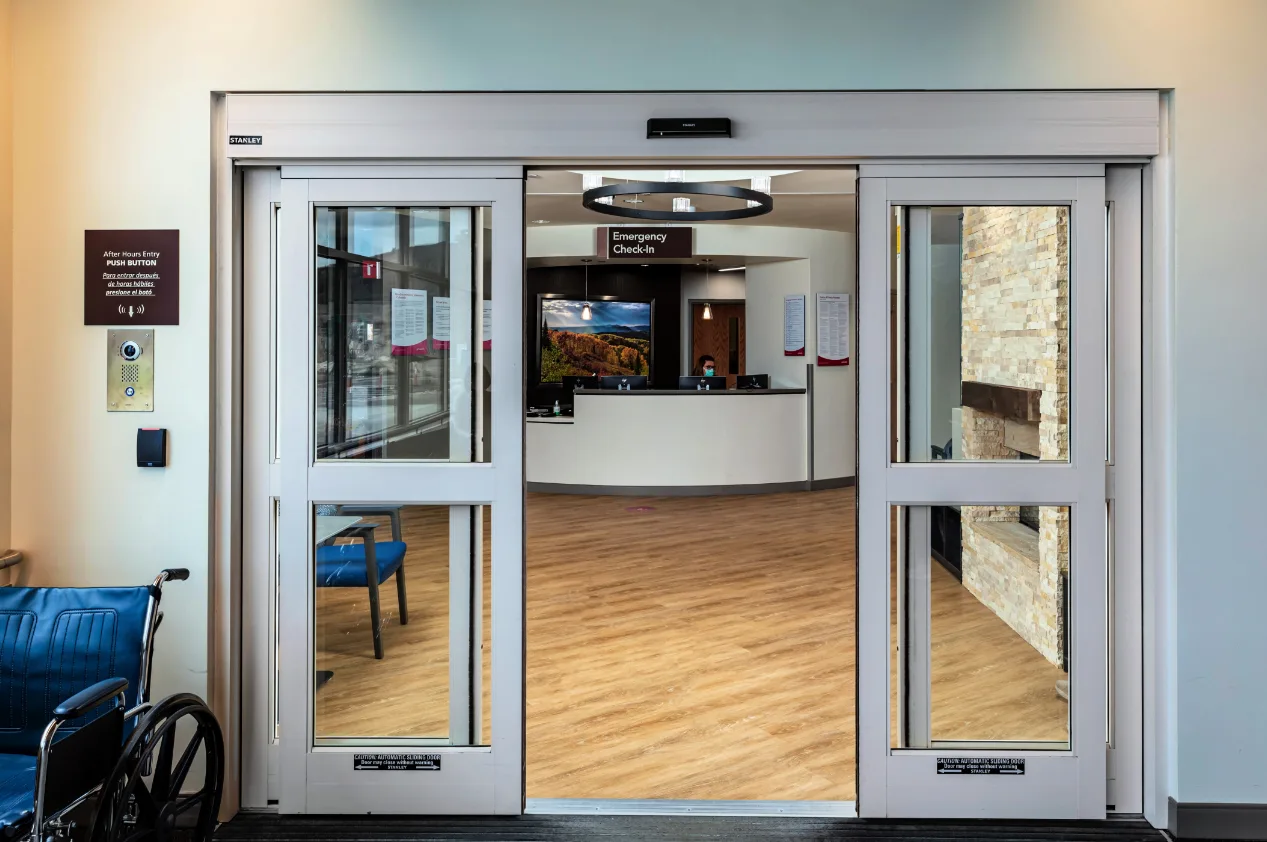
Local Expertise in Fort Pierce
Our technicians service Fort Pierce every week and know the neighborhoods, building codes, and salt-air challenges unique to St. Lucie County.
When to Call a Professional
Call a professional immediately if the door won't open, closes unexpectedly, moves slowly, or sensors are unresponsive - all signs of electronic or mechanical failure. In Fort Pierce's humid climate (34945, 34946 zip codes especially), corrosion inside electronic housings happens fast and requires professional diagnostics.
Motor replacement, sensor recalibration, and circuit board repair are Florida Building Code-regulated tasks under FBC 8th Edition accessibility standards. With 2026 hardware compatibility shifts affecting many Treasure Coast installations, salt-air corrosion near Port St. Lucie inlet areas is accelerating deterioration on door frames and electrical components - non-compliance on commercial doors can result in fines or liability, especially as hurricane season preparation deadlines approach and building inspectors enforce stricter standards.
Emergency repairs at night, during hurricane cleanup, or after water damage demand licensed technicians who carry parts and diagnostic tools. Downtown Fort Pierce commercial properties rely on pros because downtime costs money.
- Door won't open or close completely (motor or sensor failure)
- Slow operation or grinding noises (mechanical damage)
- Door reverses unexpectedly or ignores sensor commands
- Water intrusion or corrosion visible on electronic components
- Misaligned or cracked glass (safety liability)
Common DIY Mistakes That Cost More
The three costliest DIY mistakes average $180-$320 in additional repairs: forcing stuck doors, disconnecting wires without labeling, and over-lubricating mechanisms. Many Fort Pierce homeowners in South Beach and Indian River Estates attempt fixes that damage the door frame or strip adjustment screws permanently.
Over-tightening track bolts warps aluminum frames; forcing a jammed door breaks the carriage or wheels. Applying wrong lubricants (like WD-40 or motor oil) attracts dirt, gumming up motors and sensors irreversibly.
Disconnecting power without photographing wire positions leaves technicians unable to reconnect safely, forcing costly re-diagnosis. One botched attempt typically adds $150-$300 to the final professional bill.
- Over-lubricating tracks and rollers (attracts dirt, clogs sensors)
- Forcing stuck doors instead of diagnosing root cause
- Disconnecting wires without documentation or photos
- Tightening bolts excessively (warps aluminum frames)
- Using incorrect lubricants or cleaning chemicals on seals
Florida Building Code Considerations
Automatic sliding doors in Florida must comply with FBC 8th Edition 2023 accessibility standards, Florida Statute 553.842, and ADA regulations - non-compliance carries fines up to $500 per day. This applies to all commercial and multi-family properties in zip codes 34945, 34946, 34947, 34950.
Sensor placement, door force limits (max 15 pounds for emergency egress), and closing speeds are code-mandated. Professional repair ensures post-service compliance documentation, essential if inspectors visit after an injury claim.
The Sunrise Theatre and other public buildings near St. Lucie County Fairgrounds must maintain certified repair records. DIY work voids compliance proof and exposes property owners to liability.
- Door force must not exceed 15 pounds at full opening (code mandate)
- Sensor detection zones require specific placement per ADA standards
- Emergency manual operation must function independently of electronics
- Certified repair documentation required for code inspection approval
- Non-compliance fines: $500+ per day until corrected
Safety Risks for Fort Pierce Homeowners
Automatic door injuries send 4,000+ Americans to emergency rooms annually; DIY mistakes increase risk by 300% in Fort Pierce's busy commercial and residential corridors. Fingers, hands, and clothing can be crushed if sensors malfunction or forced doors snap back unexpectedly.
Electrical hazards are invisible: 24V circuits powering door mechanisms can cause burns or shock, especially when moisture-compromised in humid 34950 and 34947 environments. Falling door panels or unbalanced weights can cause head and spine injuries if DIY adjustment fails.
Children, elderly residents, and visitors in Lawnwood and Downtown Fort Pierce zones face higher risk when amateur repairs create unpredictable door behavior. Professional liability insurance protects you when certified technicians perform work.
- Crushing injuries from malfunctioning sensors or manual overrides
- Electrical shock from live 24V circuits during diagnostic testing
- Impact injuries from falling panels or unbalanced door weight
- Pinching hazards if door reversal mechanisms fail unexpectedly
- Fire risk if wiring is damaged during amateur circuit work