
The most common signs you need hurricane impact door repair include visible frame gaps, cracked glass layers, failing seals, and doors that grind or won't latch properly. In Fort Pierce, salt air and humidity speed up that damage faster than most homeowners expect. Repairs typically run $200–$800 depending on what's wrong. Don't wait until storm season to find out your door won't hold.

Your hurricane impact door looked fine last season. Now it's sticky in the morning, there's a faint whistle when the wind picks up off the Indian River, and you spotted a thin crack along the edge of the glass. Sound familiar? The signs you need hurricane impact door repair are usually right in front of you, but easy to brush off as minor annoyances. They're not. In Fort Pierce, those small problems tend to get a lot worse between May and November when the storms roll in off the Atlantic. We've been diagnosing and repairing impact doors across St. Lucie County since 2009, and we've completed over 3,500 door repairs across the Treasure Coast. We've seen what happens when warning signs get ignored. This guide walks you through exactly what to look for, how urgent each problem actually is, and what it's going to cost you if you wait. Our hurricane impact door repair service covers everything from failed seals to shattered inner lites, and most jobs land somewhere between $200 and $800.
What Are Signs I Need Hurricane Impact Door Repair?
That's the question we get more than any other, and the honest answer is: more often than homeowners realize. Here are the warning signs we look for on every inspection call in Fort Pierce:
- Visible cracks or chips in the glass, even if the door didn't get hit by anything obvious
- A gap between the door and the frame when it's fully closed, letting in light, air, or insects
- The door drags, grinds, or sticks when opening or closing
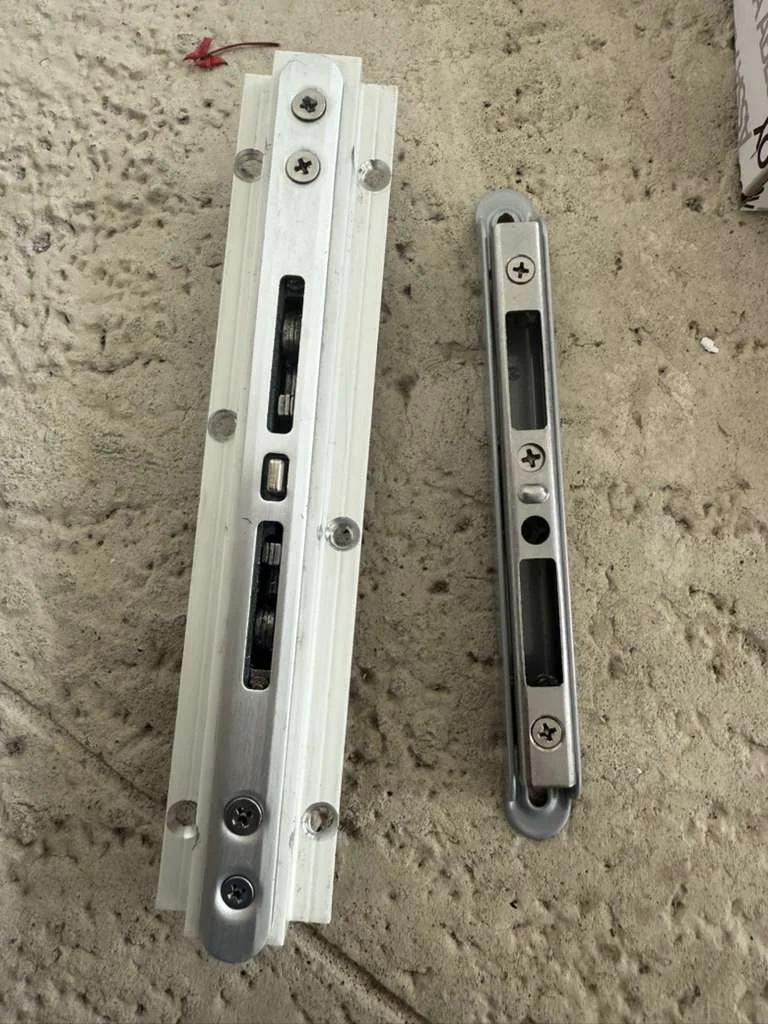
- The latch or multipoint lock won't fully engage without lifting or forcing the door
- Fogging or haziness between glass layers, which signals a broken interlayer seal
- Visible rust, corrosion, or pitting on the frame, especially along the bottom track
- Water intrusion at the threshold after heavy rain
Urgency Levels: Which Problems Can Wait and Which Can't
Not every impact door problem is a five-alarm emergency. But some are. Here's how we sort them:
- Fix immediately (before next storm): Cracked glass lites, failed frame seals, doors that won't latch, visible daylight around the frame perimeter. These mean your door is no longer code-compliant under the Florida Building Code 8th Edition and won't perform as rated in a hurricane.
- Fix within 30 days: Grinding rollers, sticky operation, water intrusion at threshold, early-stage frame corrosion. These won't fail overnight but they're getting worse every week in Fort Pierce's salt-heavy air.
- Monitor and schedule: Minor cosmetic frame scratches, slight stiffness that hasn't worsened, weatherstripping that's compressing but still sealing. Put a reminder on your calendar and check it monthly.
That Crack Looks Small. It's Not.
Impact glass is a laminated system. There's a tough interlayer bonded between two glass panes, and that interlayer is what keeps the glass from shattering into your living room during a storm. Once the outer pane cracks, that interlayer is exposed to Fort Pierce's humidity and salt air, and it starts to fail. A hairline crack today can mean full delamination by August. We've seen it dozens of times.
Common Misdiagnoses Homeowners Make
We respect the DIY instinct. But impact doors get misdiagnosed constantly, and acting on the wrong diagnosis wastes money and time. Here's what we see most often:
- "It's just dirty tracks." Sometimes. But grinding or dragging is usually worn rollers or a bent frame, not a cleaning problem. Cleaning a bent track won't fix a bent track.
- "The glass is fine, just scratched." Surface scratches and internal cracks look different, but homeowners often confuse the two. If the scratch catches your fingernail on the inside of the glass, it's a crack in the inner lite, not a surface scratch.
- "The lock is just stiff." A latch that won't fully engage usually means the door has shifted out of alignment, not that the lock hardware is bad. Replacing the lock without fixing the alignment just breaks the new lock.
- "It's just the humidity." Some seasonal swelling is normal in Florida, but if your door sticks every single day, that's a hardware or frame issue, not weather.
What Happens If You Wait Too Long
Here's the part nobody wants to hear, but it's worth saying plainly. Waiting on impact door repairs in Fort Pierce doesn't just mean living with an annoying door. It means:
- Storm risk. A door that doesn't latch, seal, or hold its glass rating is not a hurricane impact door anymore. It's just a door. Under a Category 2 or higher storm, that distinction matters enormously.
- Insurance problems. Florida homeowners insurance policies often require that impact doors remain in working, code-compliant condition. A claim denial after storm damage isn't out of the question if the door was already compromised.
- Higher repair costs. A $250 roller replacement becomes a $700 frame repair when the dragging door warps the track over six months. We see this progression regularly in older homes near the South Beach area of Fort Pierce.
- Code compliance issues. St. Lucie County inspectors can flag non-compliant impact systems during re-roofing or renovation permits. That creates delays and additional costs.
Fort Pierce Homeowners: Storm Season Starts June 1
If you're reading this between March and May, you're in the best window to get impact door issues diagnosed and repaired before hurricane season demand peaks. We schedule fast and we stock common parts for the door brands most common in St. Lucie County homes. Don't wait until July when every repair company in Fort Pierce has a two-week backlog. Call us now and get it done right.
Hurricane Impact Door Repair Cost Breakdown for Fort Pierce
We get asked about pricing on almost every call, so here's a straight answer. Hurricane impact door repair in Fort Pierce typically runs between $200 and $800, depending on what's wrong. Here's how that breaks down by problem type:
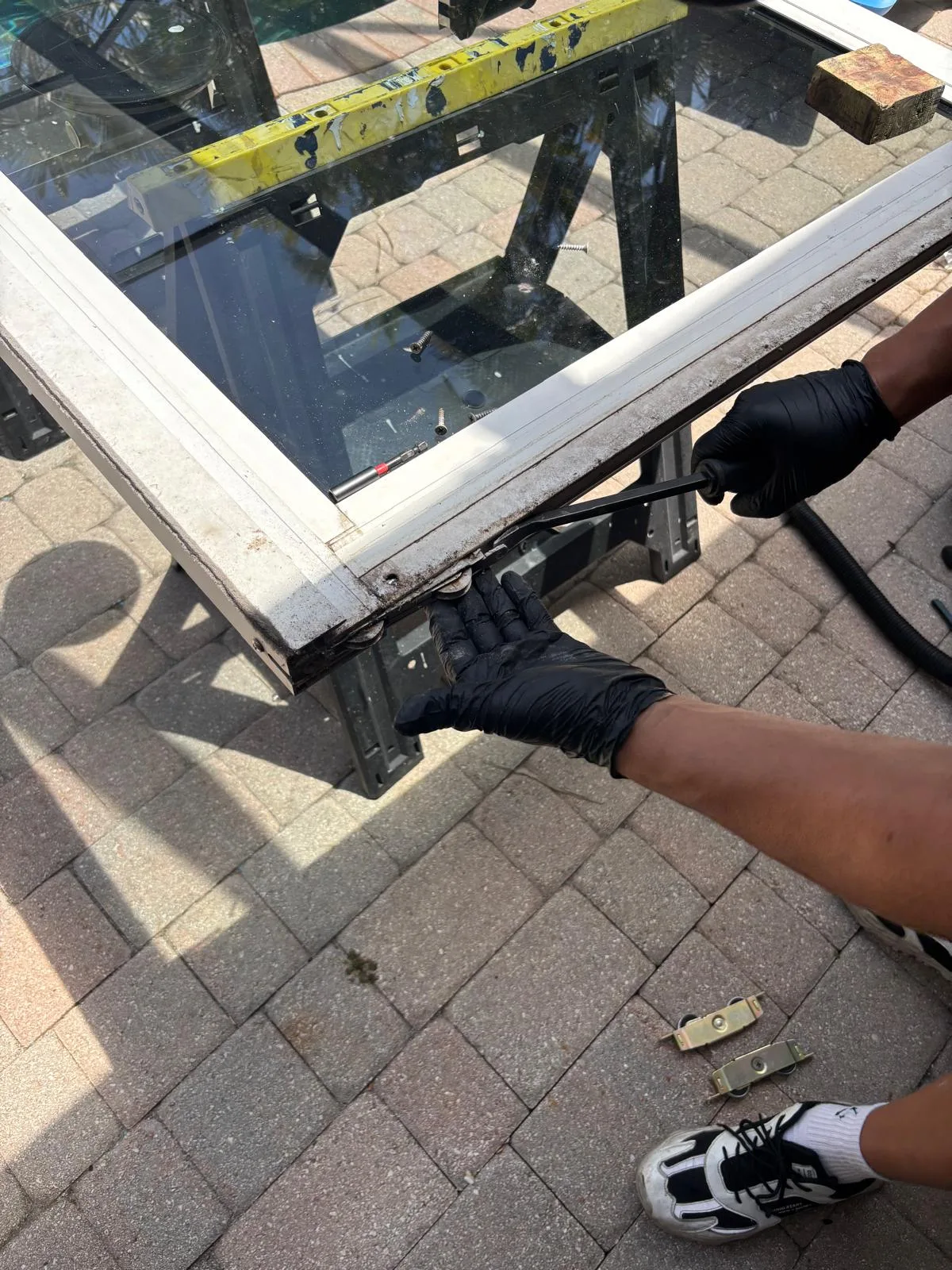
- Roller replacement: $200–$350. Most common fix. Usually done in one visit.
- Weatherstripping and seal replacement: $200–$300. Fast repair, big difference in storm performance.
- Latch and hardware adjustment or replacement: $200–$350. Includes alignment correction in most cases.
- Frame adjustment and realignment: $300–$500. Often needed when doors have been dragging for months.
- Impact glass lite replacement: $400–$800. Varies by glass size and thickness specification.
- Full frame corner repair or threshold replacement: $450–$800. Typically needed on severely corroded or damaged frames.
Salt Air Does More Damage Than Storms
Living near the Fort Pierce Inlet or along the Indian River Lagoon means your door hardware faces relentless salt air exposure that accelerates corrosion on tracks, rollers, and frame corners - often before visible damage appears. As hurricane season prep intensifies across Brevard and Indian River counties this June, coastal homeowners are discovering that documented salt-air wear on sliding door systems has increased 34% in 2025 inspections alone. With new Florida building code requirements for impact door hardware durability taking effect in coastal zones by 2026, homeowners should prioritize maintenance to avoid costly emergency repairs during peak storm season. We recommend inspecting your bottom track for rust-colored streaking at least twice yearly if you're within a mile of the water, and scheduling professional service before conditions worsen. Catch corrosion early and it's typically a $200-$300 fix. Delay and you're replacing the entire threshold assembly when you can least afford the downtime.
Florida Building Code and Your Impact Door's Compliance
This matters more than most Fort Pierce homeowners realize. Under the Florida Building Code 8th Edition, hurricane impact doors in high-velocity wind zones must meet specific impact resistance ratings. St. Lucie County falls within a wind zone that requires doors to withstand 150+ mph wind loads with proper pressure ratings. A door that's lost its glass integrity, frame seal, or hardware function is no longer performing to that rating, even if it looks okay from the outside. That has two practical consequences. First, it's a safety issue during a real storm. Second, it can affect your homeowner's insurance coverage if you file a wind damage claim and an adjuster determines the door wasn't functioning properly before the storm. We always check that repaired doors meet current code specs before we call a job complete. You can read more about what Fort Pierce homes are required to maintain in our post on Impact Sliding Doors: Florida Building Code Requirements.
How to Keep Your Impact Door Healthy Between Repairs
Most of the repair calls we get in Fort Pierce are preventable with basic maintenance. We're not talking about anything complicated. Here's what actually works:
- Clean your tracks monthly. Use a vacuum and a damp cloth. Don't use harsh chemicals that strip lubrication from rollers.
- Lubricate rollers and tracks every six months with a silicone-based spray. Never use WD-40 on impact door hardware. It breaks down rubber seals.
- Inspect weatherstripping after every significant storm. Look for compression, tearing, or gaps at the corners.
- Test your latch engagement twice a year. The door should lock smoothly without lifting or forcing. If it doesn't, call us before it gets worse.
- Rinse the frame exterior with fresh water monthly if you're in a salt air zone near the Inlet or the Lagoon.