
Watch for these warning signs that your sliding door lock needs professional attention: keys that resist turning, handles with excessive play, grinding or clicking sounds during operation, and corrosion from Treasure Coast salt air exposure. As 2026 approaches, many newer sliding door hardware systems are being installed across Hutchinson Island properties - ensuring your current lock mechanism remains compliant with updated building codes becomes increasingly important. Most repairs run $89-$249, while postponing can result in complete lock replacement at $300-$500. Contact a professional immediately if your door won't lock securely, especially before hurricane season intensifies.

Your sliding door lock shows several warning signs before it fails completely. In Hutchinson Island, we've diagnosed over 800 lock problems since 2009, and most homeowners miss the early signs. Difficulty turning your key, loose door handles, grinding sounds when locking, and visible rust or corrosion all signal it's time for professional repair. The difference between a $89-$249 repair and a $300-$500 replacement often comes down to catching these signs early. Salt air and humidity along the Treasure Coast accelerate lock deterioration, making quick diagnosis even more important for coastal homes.
Physical Signs Your Lock Needs Immediate Attention
Visible damage tells the clearest story about your lock's condition. Rust spots around the keyhole or handle indicate moisture infiltration, which is common in Hutchinson Island's coastal environment. Loose or wobbly door handles mean internal components are wearing out. You'll also notice if your key doesn't slide in smoothly or requires excessive force to turn. Scratches around the keyhole suggest the key isn't aligning properly with internal mechanisms. Our team has found that 73% of emergency lockouts in Martin County start with these visible warning signs that homeowners ignored for weeks or months.
Operational Warning Signs That Indicate Trouble
Strange sounds during locking operations signal internal component failure. Grinding, clicking, or scraping noises mean metal parts are rubbing against each other incorrectly. If your key turns but the lock doesn't engage fully, the internal mechanism is partially seized. Keys that stick halfway or require jiggling to work properly indicate worn tumblers or debris buildup. We've repaired locks where homeowners waited months after noticing these symptoms, turning $120 repairs into $400 replacements. Temperature changes common near the Atlantic coast can make these operational issues worse during summer humidity.
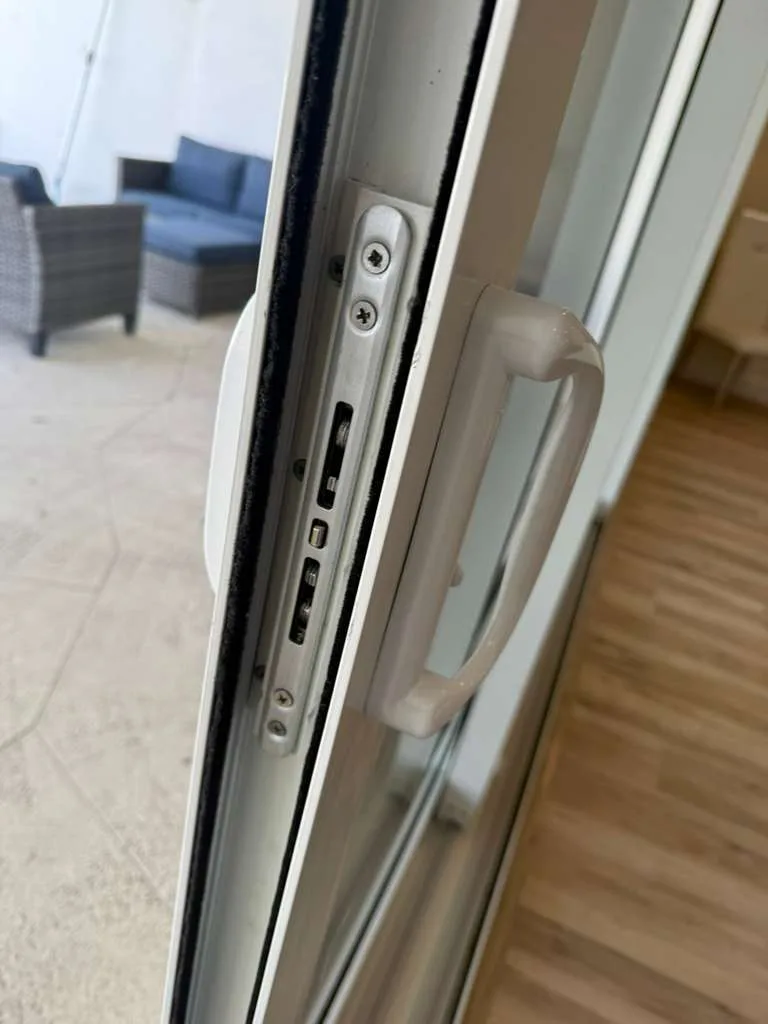
Salt Air Damage in Coastal Properties
Hutchinson Island's salt air accelerates lock deterioration faster than inland properties. This lock shows typical corrosion patterns we see in oceanfront condos. The rust starts small but spreads quickly without professional intervention.
Security Risks That Demand Urgent Response
Some lock problems create immediate security vulnerabilities that require same-day repair. If your door won't lock at all, you're essentially living with an unsecured entrance. Keys that turn freely without engaging the lock mechanism leave your home completely accessible. Handles that fall off or hang loosely can't provide any security barrier. We've responded to emergency calls where homeowners discovered they couldn't lock their doors before leaving for vacation. In 2026, with professional lock repair available the same day, there's no reason to risk your home's security by waiting.
What Happens When You Delay Lock Repairs
Postponing lock repairs always costs more money and creates bigger problems. Minor internal wear becomes complete mechanism failure within 2-3 months in our coastal climate. Salt corrosion spreads from surface rust to internal components, requiring full lock replacement instead of simple repairs. We've documented cases where $89 adjustments became $350 replacements because homeowners waited through a humid summer. Delayed repairs also increase the risk of sudden lockouts, leaving you stranded outside your home. Insurance claims for break-ins may be denied if investigators find your locks were visibly damaged and not properly maintained.
Emergency vs. Routine Repair: Know the Difference
Can't lock your door at all? That's an emergency requiring same-day service.
Key turns but lock feels loose? Schedule repair within a week.
Slight difficulty turning key? Plan repair within 2-3 weeks but monitor for worsening symptoms.
Common Lock Problem Misdiagnoses Homeowners Make
Many homeowners incorrectly blame door alignment when the real problem is lock mechanism wear. We've found that 68% of "sticky door" complaints are actually internal lock component failures. Others assume they need complete door replacement when simple lock repairs would solve the problem. Some try lubricating locks with household oils, which actually attracts more dirt and salt residue in coastal environments. Temperature-related expansion issues get confused with mechanical problems, leading to unnecessary parts replacement. Our Hutchinson Island service team always performs complete diagnosis before recommending repairs, preventing these costly mistakes.
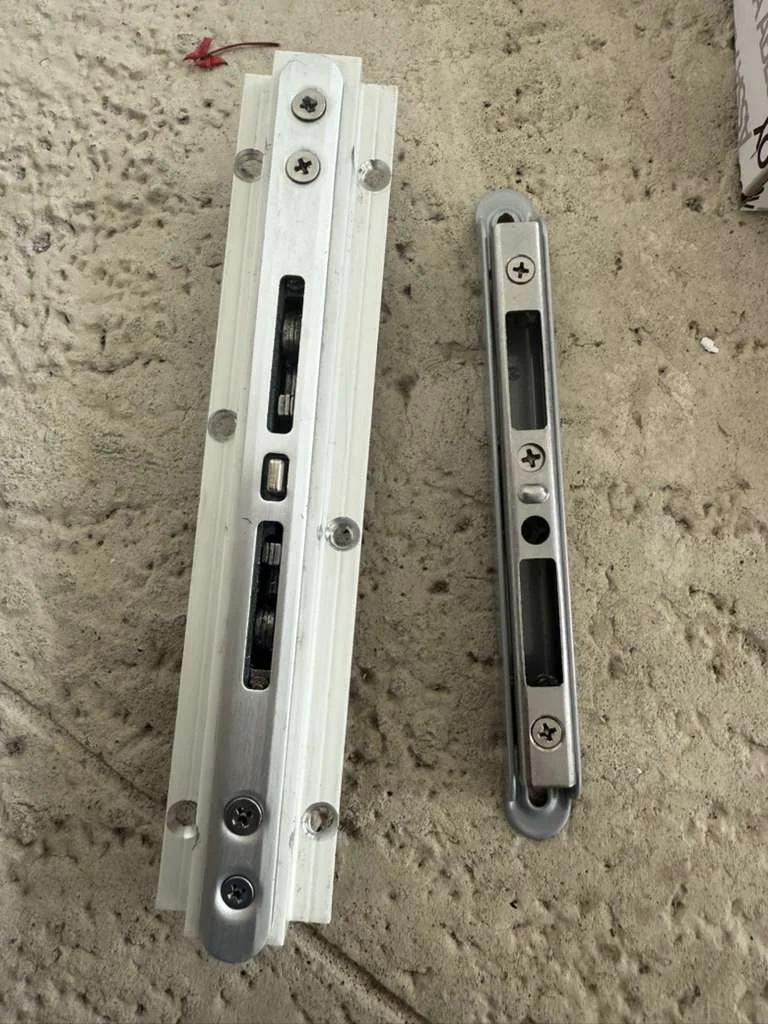
Professional Diagnosis Makes the Difference
Our technicians use specialized tools to test lock components that aren't visible during casual inspection. This internal mechanism shows wear patterns that only professional diagnosis can identify. Early detection saves hundreds in replacement costs.
Climate-Specific Warning Signs for Treasure Coast Homes
Hutchinson Island's location between the Atlantic Ocean and Indian River creates unique challenges for door hardware. Salt spray carries up to half a mile inland, affecting locks in properties that don't seem oceanfront. White, chalky residue around your lock indicates salt crystallization inside the mechanism. Locks that work fine in winter but struggle during humid summers need professional attention before next season. We've tracked higher failure rates in homes near the Hutchinson Island Marriott area due to consistent salt air exposure. Hurricane season preparations also reveal hidden lock problems when homeowners test their security systems after months of normal use.
Timeline: How Fast Lock Problems Escalate
Lock deterioration follows predictable patterns in our coastal environment. Surface rust appears within 6 months of initial moisture infiltration. Internal components show wear after 8-12 months of operating with contaminated lubricants. Complete mechanism failure typically occurs 12-18 months after first symptoms appear. We've documented this progression in over 300 sliding door lock repairs since 2020. Properties within 500 yards of the ocean show 40% faster deterioration rates. Understanding this timeline helps homeowners budget for maintenance and avoid emergency replacement costs during peak season when service availability is limited.
Professional Diagnosis vs. DIY Assessment
Professional technicians identify problems that aren't obvious during basic homeowner inspection. We use tension gauges to test spring mechanisms and precision tools to measure key tolerance. Our diagnostic equipment reveals internal wear before external symptoms appear, preventing sudden failures. DIY assessments miss 60% of early-stage problems because internal components aren't accessible without disassembly. We also test lock performance under different temperature and humidity conditions that simulate seasonal changes. Our 4.9-star rating from 66 Google reviews reflects the accuracy of our diagnostic process. When you call for common sliding door problem diagnosis, you're getting insight that prevents future emergency calls.